
In today’s world, being able to connect to the internet is as important as having electricity and water. When it goes down, the effects are felt right away and all over the place. Millions of people in Pakistan have been affected by long outages over the past few days. Many people have said that the internet is still down in Pakistan after more than 48 hours. The situation has caused a lot of anger, confusion, and worry, especially since work-from-home culture, online education, digital payments, and communication platforms all depend on having a stable internet connection.
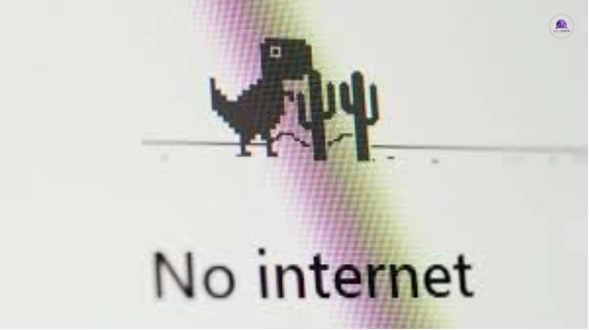
Nayatel PTCL Internet Issues are at the center of public debate. They are a big problem for homes, businesses, freelancers, and institutions. There have been a lot of complaints, screenshots of “no internet” warnings, and questions about when services will be fully restored on social media. For a lot of people, the lack of timely official communication has made things even more unclear.
The long outage has not only messed up people’s daily lives, but it has also shown how much Pakistan relies on a small number of big internet service providers. The Nayatel PTCL Internet Issues have turned into a national conversation about digital infrastructure, transparency, and being ready for big network outages as people wait for answers.
This article goes into great detail about what is known so far, why the internet was down for more than 48 hours, how it affected different industries, and what users can realistically expect in the future.
An explanation of Nayatel PTCL Internet Issues and the widespread outage
The Nayatel PTCL Internet Issues that took down a lot of Pakistan for more than two days didn’t happen by themselves. Reports say that users in many cities had slow speeds, complete disconnections, or service that was so unstable that they couldn’t even browse the web. This outage is especially scary because it has lasted so long and affected so many people.
Users in many places said they suddenly lost their connection without any warning. Some people had trouble accessing the internet for short periods of time before it completely went down, while others found it unusable right away. After more than 48 hours, the internet is still down in Pakistan. This has raised serious questions about the network’s ability to stay up and how quickly it can respond.
The reliance on centralized infrastructure is a big reason why people are talking about the nayatel ptcl internet problems. Downstream providers and end users are almost immediately affected when backbone Nayatel PTCL Internet Issues, cyber attacks, or routing failures. This event seems to have affected not only home broadband but also business connections, call centers, and services that rely on the cloud.
The fact that the root cause wasn’t clear right away led to speculation. Users argued about whether the problem was caused by technical maintenance, problems with undersea cables, cyber attacks, or misconfigured internal networks. No matter what caused it, the end result was the same: millions of people were cut off from the internet for a long time.
Businesses were hit the hardest. Companies that relied on cloud services, VPNs, and online collaboration tools couldn’t get their work done quickly. Freelancers, especially those who worked with clients from other countries, said they missed deadlines, got paid late, and hurt their reputations. The nayatel ptcl internet problems weren’t just annoying for them; they were a direct threat to their income.
Schools and colleges also had problems. Students and teachers both had problems with online classes, homework, and tests. Parents were worried that their kids would miss important school activities, especially those who were learning from home.
Healthcare services were also affected. Telemedicine platforms, online appointment systems, and digital health records all need a stable internet connection. Any long-term disruption raises operational risk and slows down patient care.
Government services and online portals were slow, which made it even harder to do administrative work. The event showed how much the internet has become a part of how public services are delivered.
People quickly and loudly spoke out about the Nayatel PTCL Internet Issues. People started using social media sites as their main way to voice complaints, share memes, and call for accountability. As people looked for answers and updates, hashtags about internet outages became popular.
One common complaint was that service providers didn’t talk to customers in real time. A lot of users said they got generic automated messages instead of clear explanations or estimates of when their service would be back up. This lack of communication made things much worse.
Fixing large-scale internet outages is hard from a technical point of view. Network engineers need to find problems, redirect traffic, check stability, and make sure that fixes don’t cause more problems. But for people in Pakistan who have been without the internet for more than 48 hours, these problems don’t help much without clear updates.
Another important part of the Nayatel PTCL Internet Issues is redundancy. Countries with strong digital infrastructure usually have more than one failover system to avoid complete outages. This incident was so big that it seems that redundancy measures may not have been enough to handle the disruption.
This event has also brought up the issue of Pakistan’s international internet gateways again. When only a few gateways handle most of the traffic, any failure can have effects all over the country. Experts say that investing in different routes and diversifying is the best way to stop future events from happening.
Users are mostly worried about getting their service back in the short term. The Nayatel PTCL Internet Issues have led to a bigger conversation about improving infrastructure, keeping an eye on regulations, and protecting consumers in the long run.
Nayatel PTCL Internet Issues: Effects, Expectations for Recovery, and Final Analysis
As the Nayatel PTCL Internet Issues last more than 48 hours, people are no longer just angry about them right away; they are also thinking about what they mean for the future. The long outage has shown weaknesses not only in infrastructure but also in how we communicate and plan for emergencies.
The effect on the economy is big. The digital economy in Pakistan is growing, and it depends on having reliable internet access. Freelancers bring in a lot of money from abroad, IT companies work with clients from other countries, and startups do most of their business online. These sources of income are directly affected when the internet is still down in Pakistan after more than 48 hours.
E-commerce sites said that orders were taking longer than usual and that customers were unhappy. Digital payment systems went down, so a lot of businesses had to go back to cash transactions. This change showed how easily people can stop using digital technology when the infrastructure breaks down.
Don’t underestimate how it will affect users’ mental health. People who rely on online communication for work or family connections abroad are more likely to feel stressed, anxious, and alone when they lose their connection for a long time. The Nayatel PTCL Internet Issues showed how important it is to have internet access in everyday life.
From a regulatory point of view, these kinds of events make people wonder who is responsible. When services fail for a long time, users often don’t have many options. Consumer rights advocates say that service-level agreements and compensation policies need to be clearer.
In the future, expectations for recovery depend on both fixing technical problems and making the system better. Getting the service back up and running is just the first step. It is just as important to keep things stable, stop them from happening again, and rebuild trust.
Service providers should do internal audits to find any weaknesses that the outage revealed. Being open about the results of the investigation would help rebuild trust in the public. If there isn’t this kind of openness, people will still be skeptical about Nayatel PTCL Internet Issues.
Another important lesson is to invest in infrastructure. Networks need to grow as more people use the internet. This includes increasing the capacity of the backbone, adding more redundancy, and making cybersecurity defenses stronger.
The event also shows how important it is for the government to talk to the public better during emergencies. Regular updates, clear explanations, and realistic timelines help keep people from getting too excited and spreading false information. Not answering or giving vague answers only makes things worse.
Users may start to care more about diversification. Some homes and businesses are looking into secondary connections or mobile data backups to help them deal with outages in the future. This costs more, but being offline for more than 48 hours has changed how people think about risk.
Policymakers may need to rethink how to make digital systems more resilient on a national level. As Pakistan continues to go digital, having reliable internet access is no longer a choice; it is a must.
The long power outage and the Nayatel PTCL Internet Issues that came after it should wake you up. Technical failures are unavoidable in intricate systems, but the magnitude and duration of this incident expose deficiencies that require immediate rectification.
Users have found the experience to be annoying and disruptive. It is a test of credibility and readiness for service providers. For the country, it is a reminder that digital infrastructure needs constant investment, supervision, and openness.
This disruption could lead to a stronger and more resilient internet ecosystem if people learn from it and do something about it. If not, outages like this could happen more often, with even worse results.
Pakistan Telecommunication Authority – https://www.pta.gov.pk
Daily Update keeps you informed, every day.